
THE CALL OF THE CRAFTSMAN - THE STORY OF GIANNETTI'S STUDIO
In this age of mechanization, the beauty brought forth by the work of our slow hands is under siege.

We bow before the throne of efficiency. We march toward more and frantically forage for faster. Work that was once brought into reality by our fragile physicality is now manufactured by robotic arms, built to be indestructible. Rooms once filled with chatter and the hum of those at hard at work now echo with a melody orchestrated by instruments of innovation.

We may debate all day whether this is a positive force, whether forfeiting the work of our forefathers because our brittle bodies can no longer keep pace with incessant innovation should be applauded or admonished. But whatever side we take, one thing is clear: in our striving for efficiency, we are losing something essential.

Rather than seeing our humanity reflected to us in the world we create, we are now surrounded by structures shaped by the cold touch of steel, whose life force is nothing like the blood within our veins. It is this richness, the warmth of history, the texture of human hands, that slips away as we chase the new.

Human beings are not meant to be idle as technology takes over. We are made to leave our mark on the world in whatever way we are gifted to do so. This is the call of the craftsman, the leader of the opposition against our new age of artificiality. To answer it, we must look to the past.

In 1910, at the age of fourteen, my great-grandfather Gregory Giannetti immigrated to New York from Bagni di Lucca, a village in the Tuscan countryside. Trained, like others in his family, in the tradition of molding and sculpting plaster, stucco, and wood into beautiful designs, he came to this country to adorn architecture and seek the elusive “American dream” that drew so many in that era.
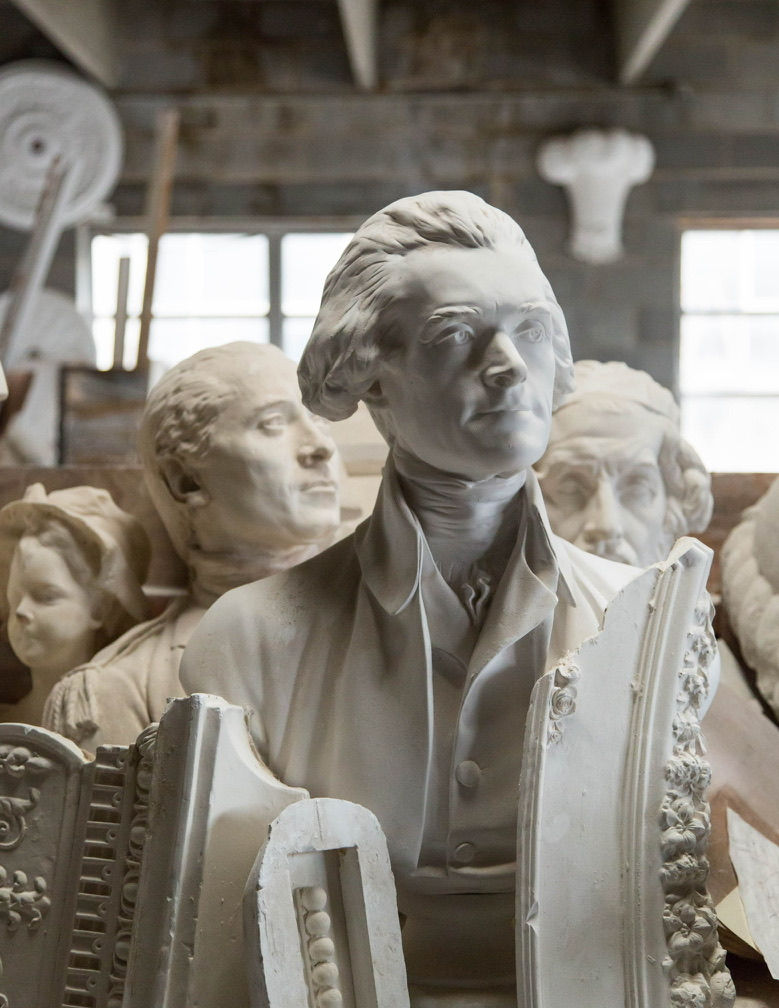
This calling led him to establish Giannetti’s Studio, an architectural plaster and sculpture studio outside Washington, D.C., in 1935. With the help of his sons, my grandfather Bobby and my great-uncle John, the work of the studio decorated some of the most famous buildings in our nation’s capital: the White House, the Capitol, the National Cathedral, and many more.

While America’s hunger for modernity surged like a runaway train, the studio remained rooted in tradition, with ancient recipes, inherited sensibilities, and time-honored taste. When a problem arose, the younger members of the group would imagine new solutions, but the wiser men would point them back to what was tried and true, tying them to a tradition that carried forward a story stretching back to the Middle Ages.
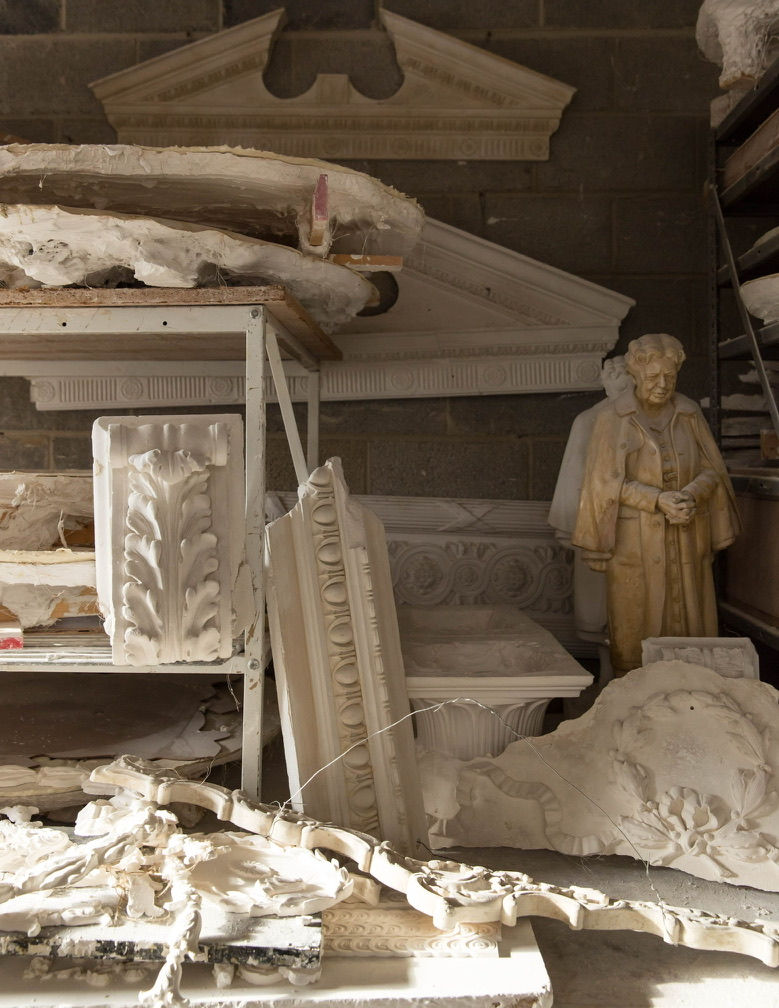
These classical ornaments did not add to the structural integrity of the buildings they adorned. To some, they might have seemed frivolous indulgences of an artistic mind. Yet they served a deeper purpose. These stunning structures, decorated with classical ornaments, inspired awe in all who passed by and grounded them in the stories that came before. These buildings still stand, and though the plaster and stonework have weathered, they continue to reflect our true nature, the call to creation, the irresistible beckoning of beauty.

Today, our buildings often lack this magic. They do not inspire great ideas, for they were shaped not with wonder in mind but by the titans of our time: efficiency, profit, and utility.
If we are to remain beautifully imperfect humans as technology encroaches with promises of a perfect utopia, we must remain rooted in reality. We must continue to work with our fragile flesh and hold onto the practices slipping through our fingers. We must keep our eyes on the shining beacon of beauty and stoke its fire so it is not smothered by the forces that tell us we are mere cogs in a machine.
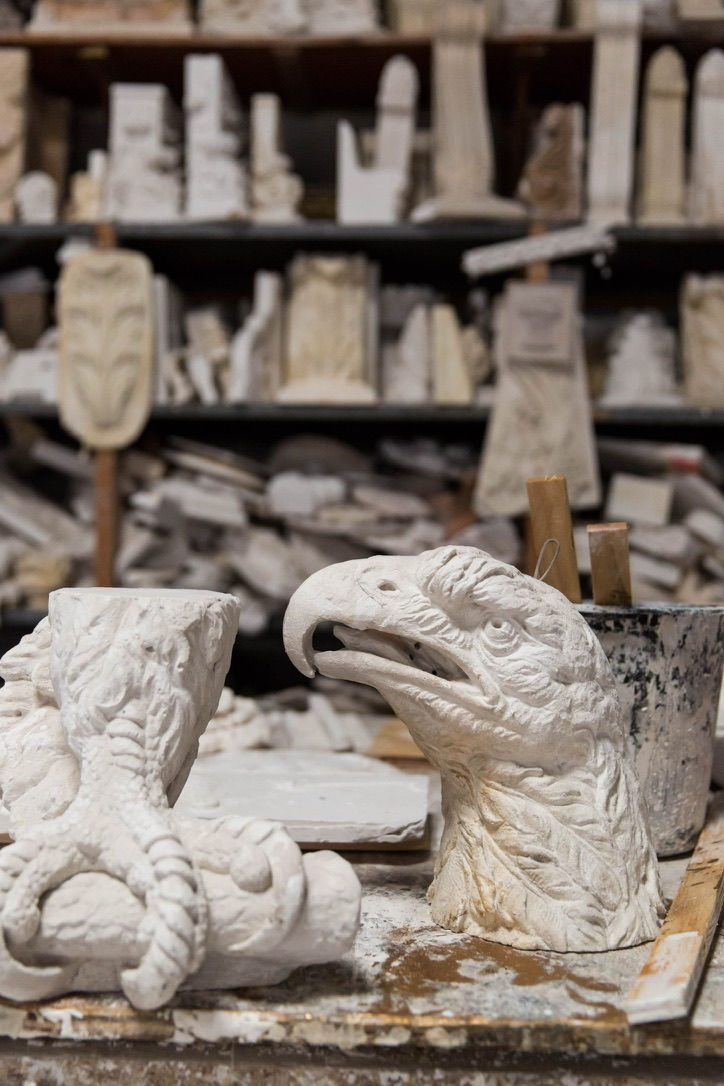
Sadly, Giannetti's Studio is no longer active, but the call of the craftsman cannot be left on a shelf to gather dust. It is a living force, a gracious offer extended to us, asking us to shape the world with care, intention, and humans in mind. If we answer it, even as the hum of machines attempts to drown it out, we will remember what it truly means to be human.

That is the call of the craftsman, and that is your call too.
Love,
Leila


So well and beautifully written, Leila. You have an extraordinary gift for writing. And it speaks old soul, yet coming from and accurately observed and described by a young person. My dad was a master woodcarver. I remember as a kid sitting on a stairway, at a higher height, watching him work. I would do this for hours and hours and throughout my entire childhood. Very little speaking between us ... he diligently and masterfully worked, as I watched in awe. To date (I am now in my elder years), I marvel at and seek the artist and craftsman. I am grateful to have artistic abilities myself, of which I love to create more than anything. I just recently discovered…
It's very sad that the human hand sculpture art is becoming lost art. In alot of ways I feel we are self destructing. Well written Lelia about your ancestors and dad.
A very interesting story and beautifully written Leah!😍
Beautifully written, thank you.
There is such beauty, strength and craftsmanship in the objects and in the photographs. Thank you for sharing these gifts.